The connecting role of architecture between people and the harvest of the land
Supported by
- Stimuleringsfonds Creatieve Industrie
- Het Cultuurfonds

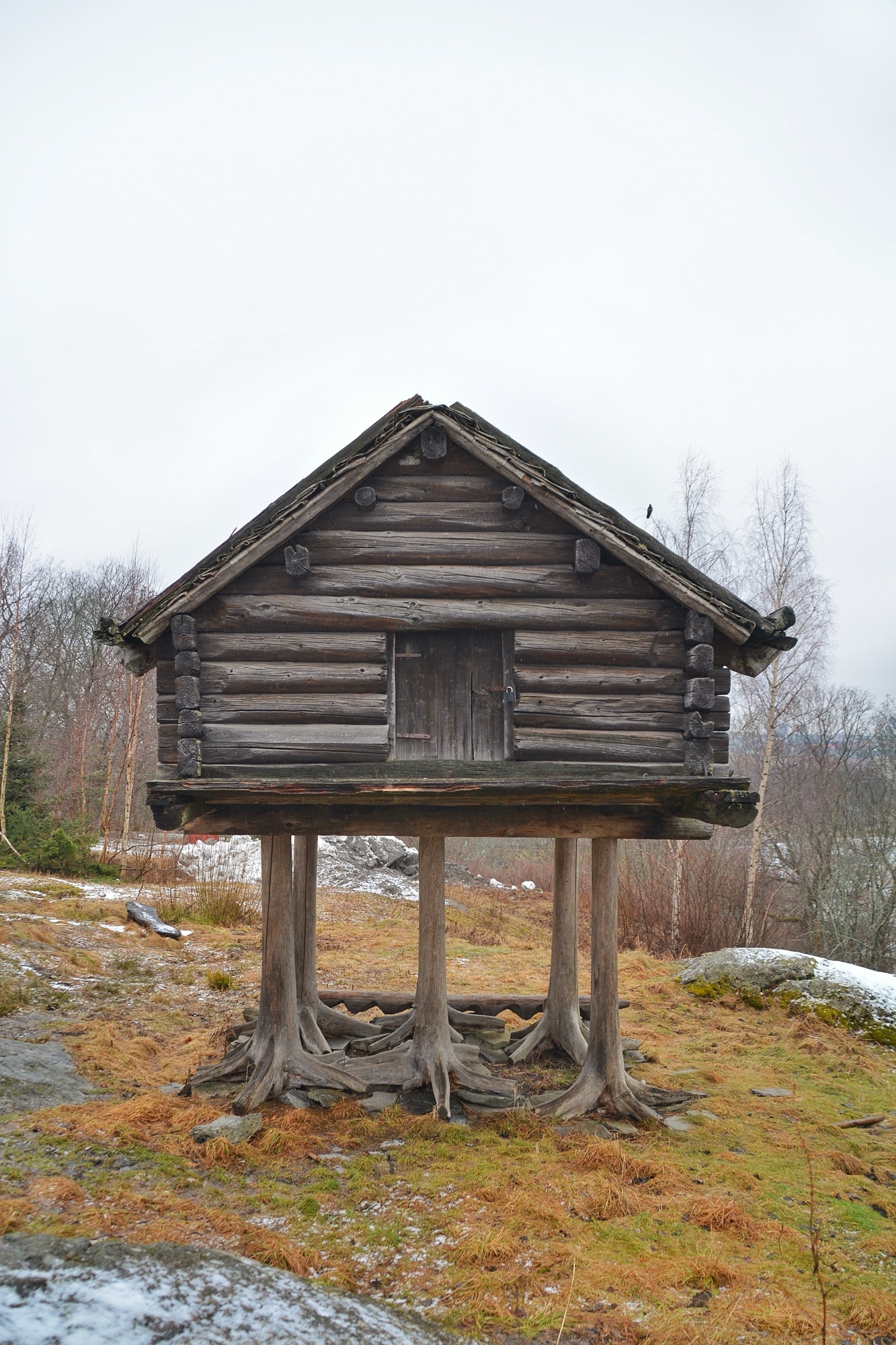
Spieker is a ongoing multi-year artistic research project into food-preserving architecture and the ways in which communities protect their harvest, knowledge and future.
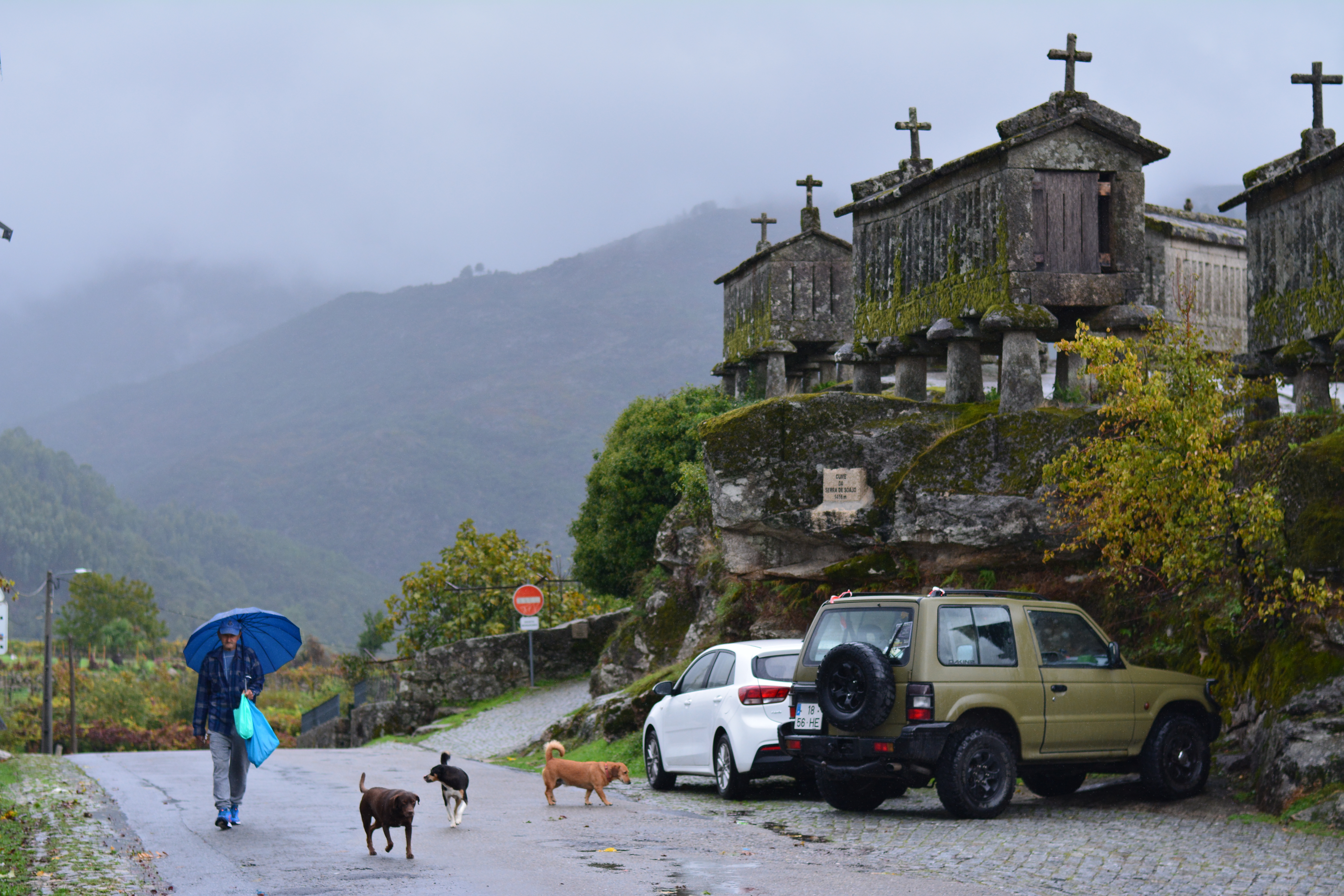
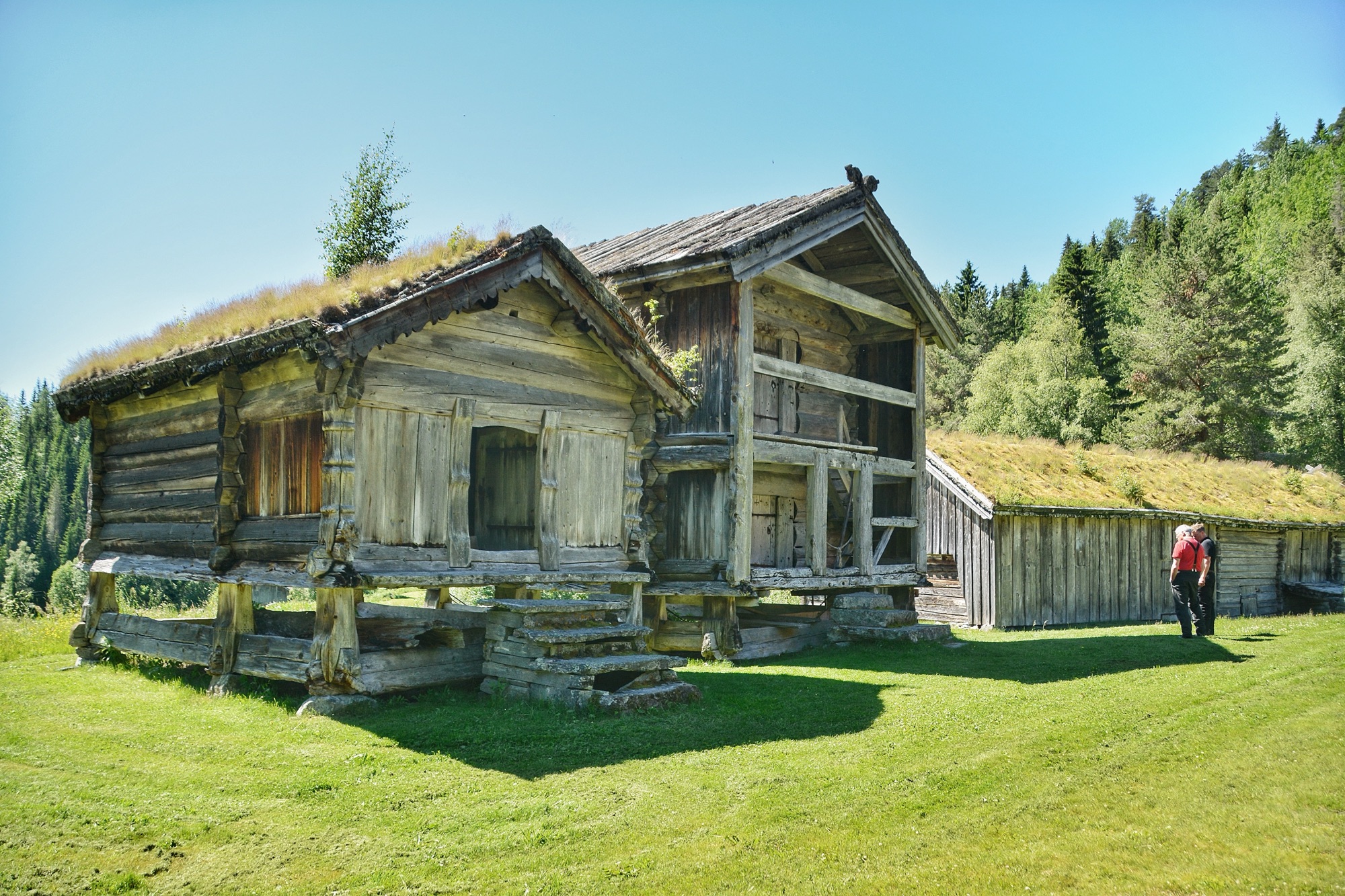
While the project originally focused on indigenous granaries, it gradually expanded to include a broader range of vernacular storage structures in which landscape, culture, material, communities, ritual and meaning intersect.
Sound on ↑
Research across Europe
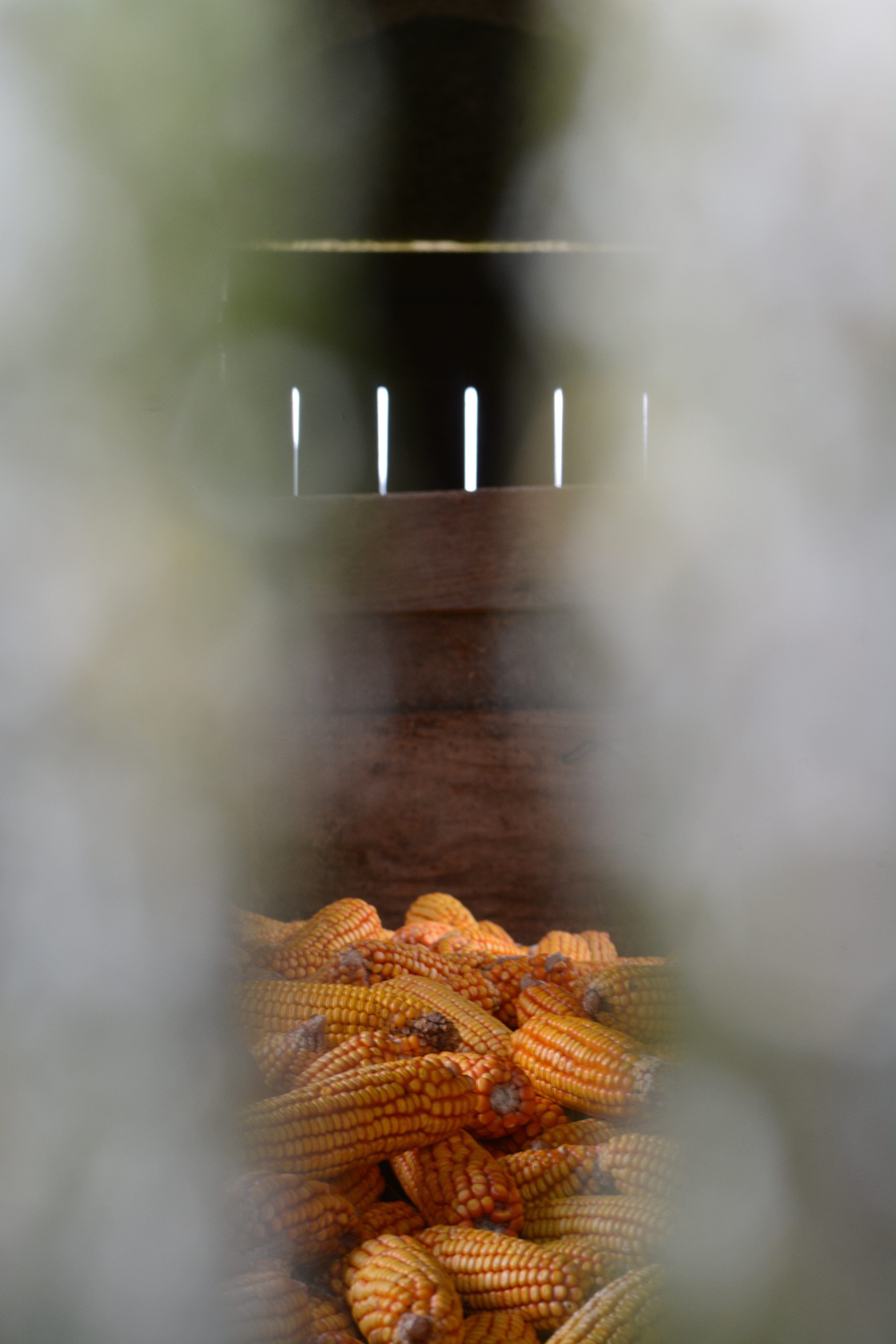
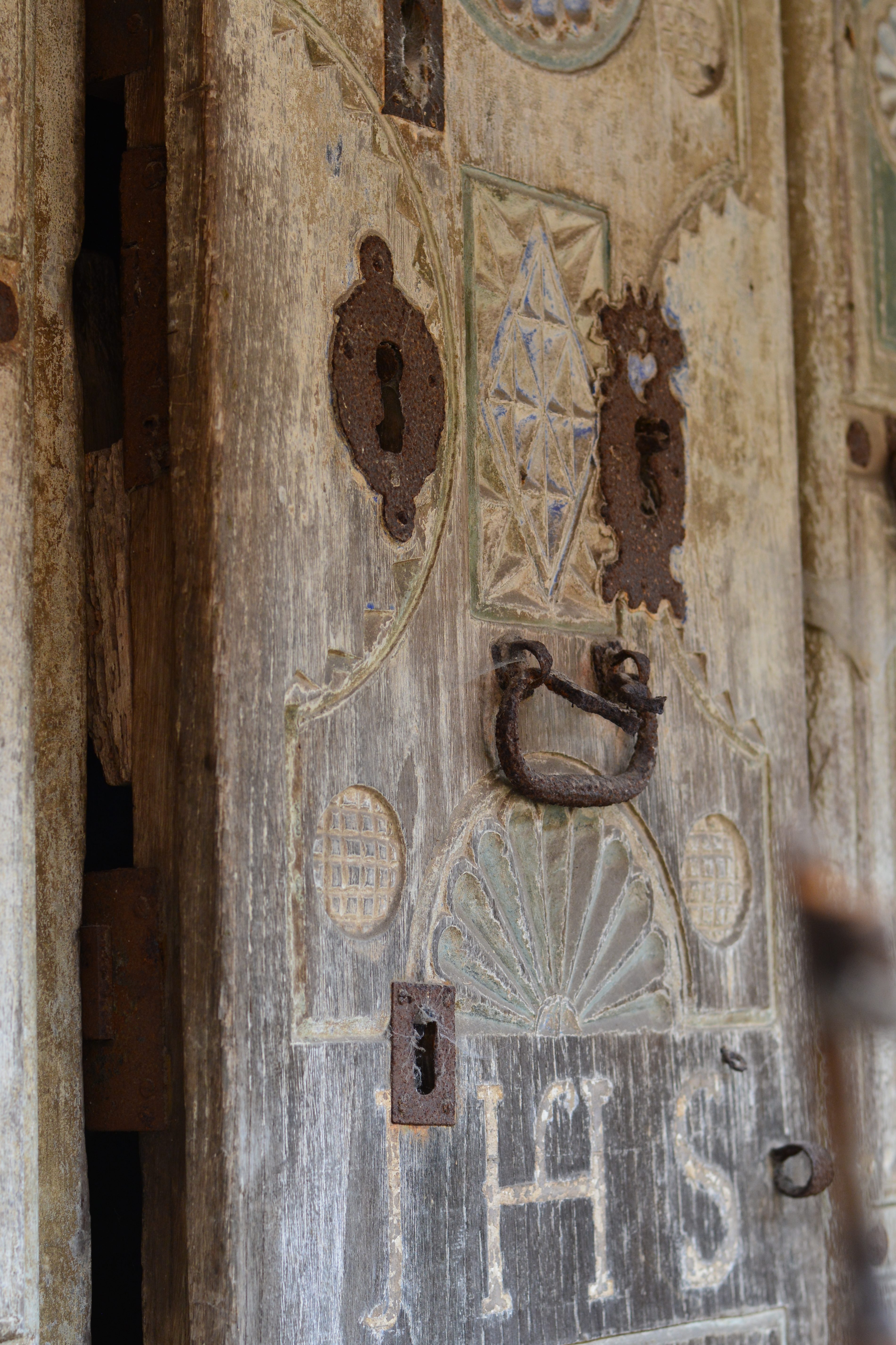
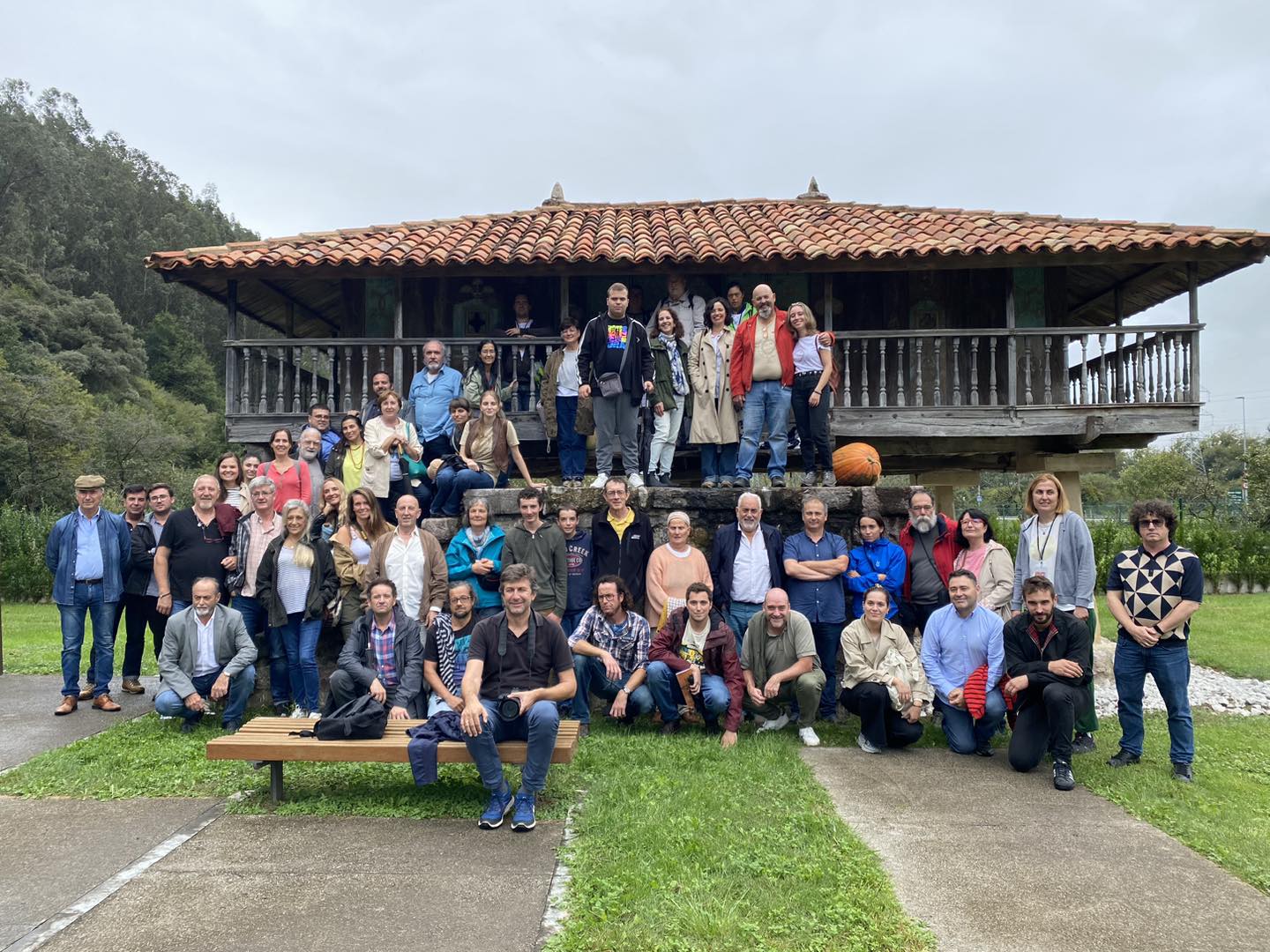
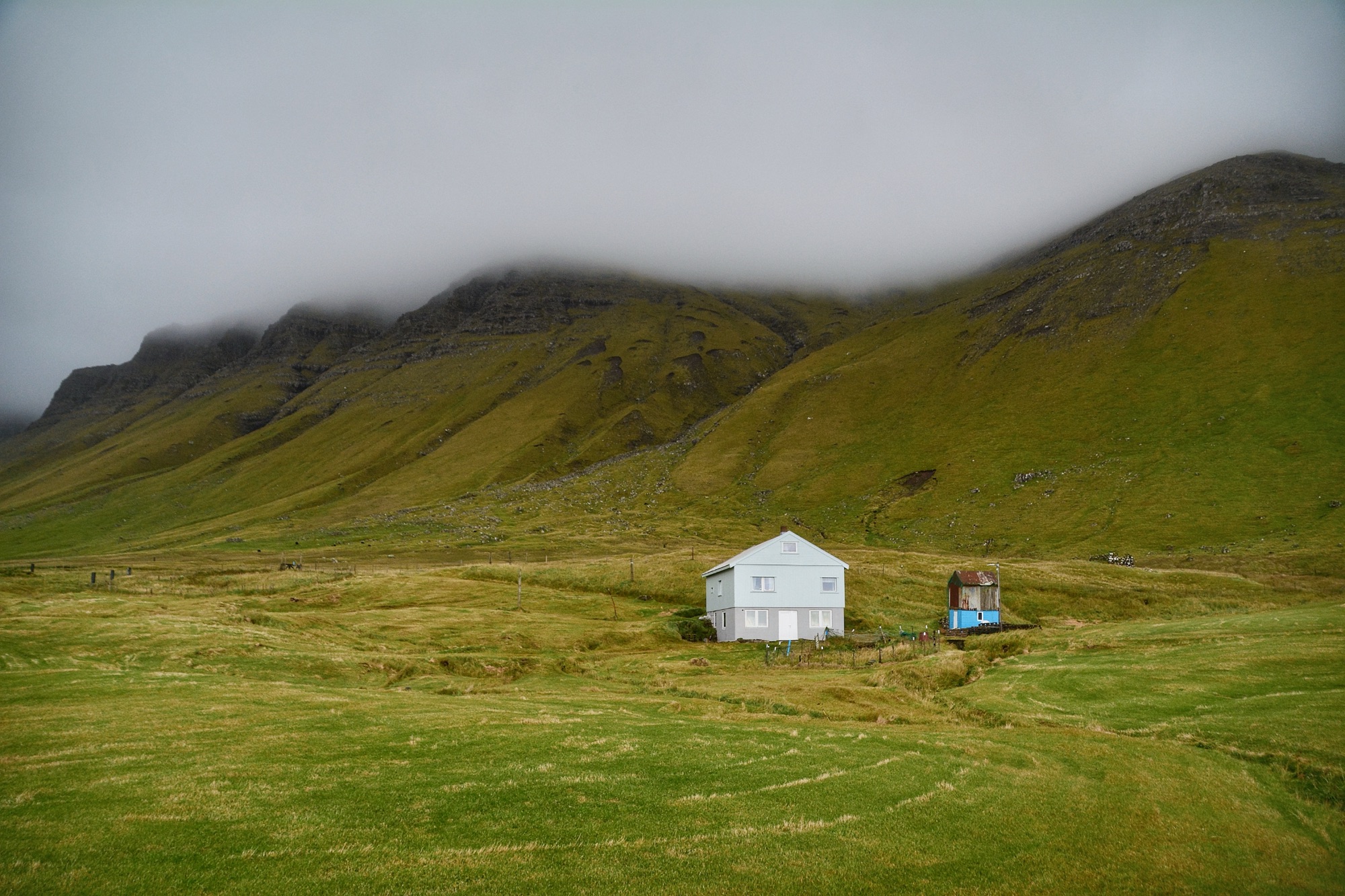
Through fieldwork in Norway, Spain, Portugal, Switzerland, Sweden and the Faroe Islands, I observed how these structures remain a tangible part of daily life and of the relationship between people and landscape. Each location revealed how closely food preservation is tied to environmental conditions, material choices and collective practices.
These structures are more than technical solutions: they reflect history, ancestral knowledge, collaboration and ways of living with the seasons.





Returning to the Dutch context
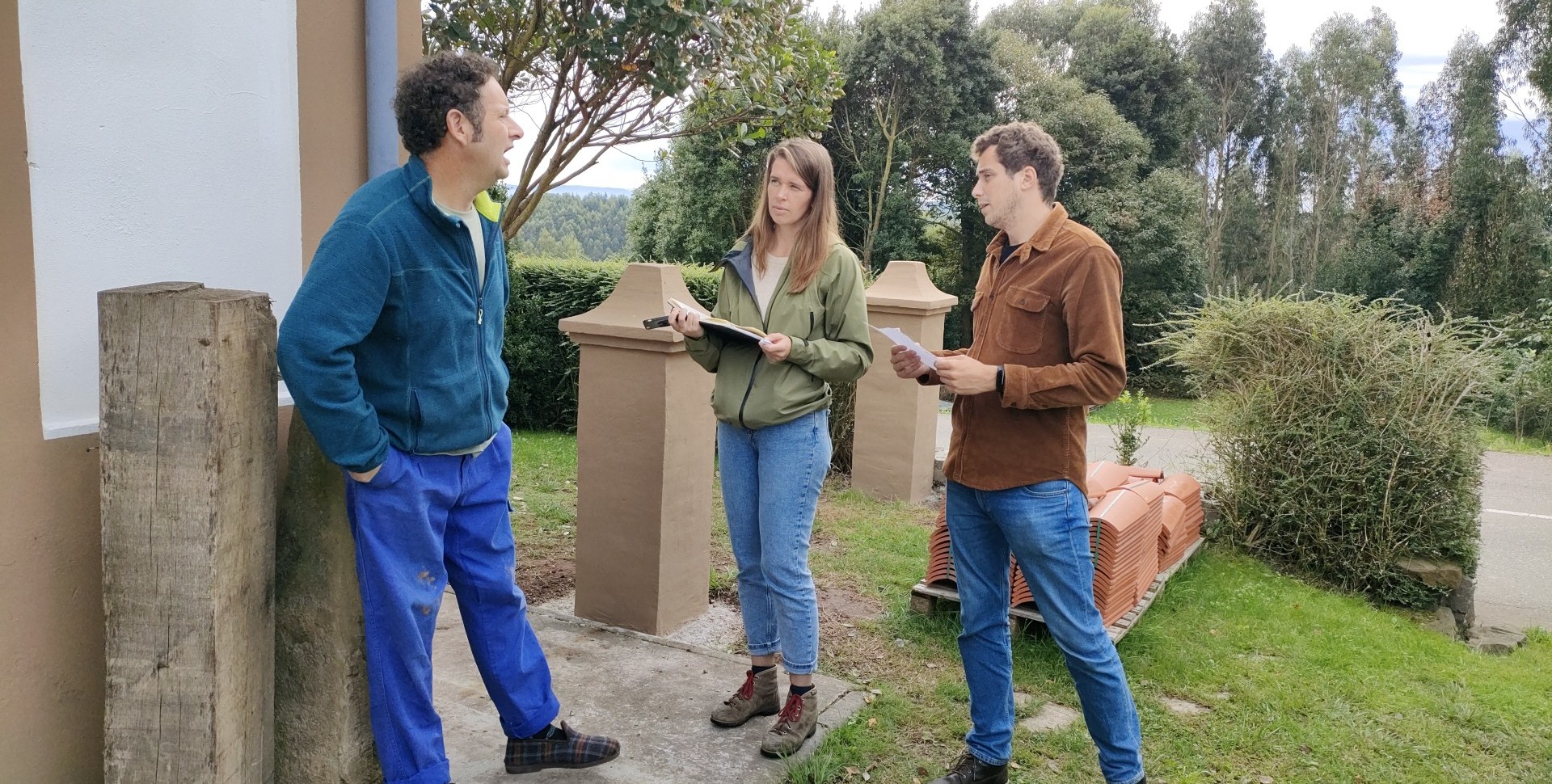
A significant shift in the project occurred during my research in Spain, where I met an archaeologist who invited me to present the Dutch raised granary at the International Congress of Raised Barns in Galicia. This invitation redirected my attention to the Dutch context. Because such storage forms have largely disappeared from the landscape in the Netherlands, I turned to archaeological literature. There I encountered a description of a remarkable pre-Christian site in the northern Netherlands, where traces of several granaries were found, possibly with a ritual dimension. This reference became an important anchor within Spieker: a connection between international examples and a nearly forgotten local history.
Sound on ↑
Contemporary relevance
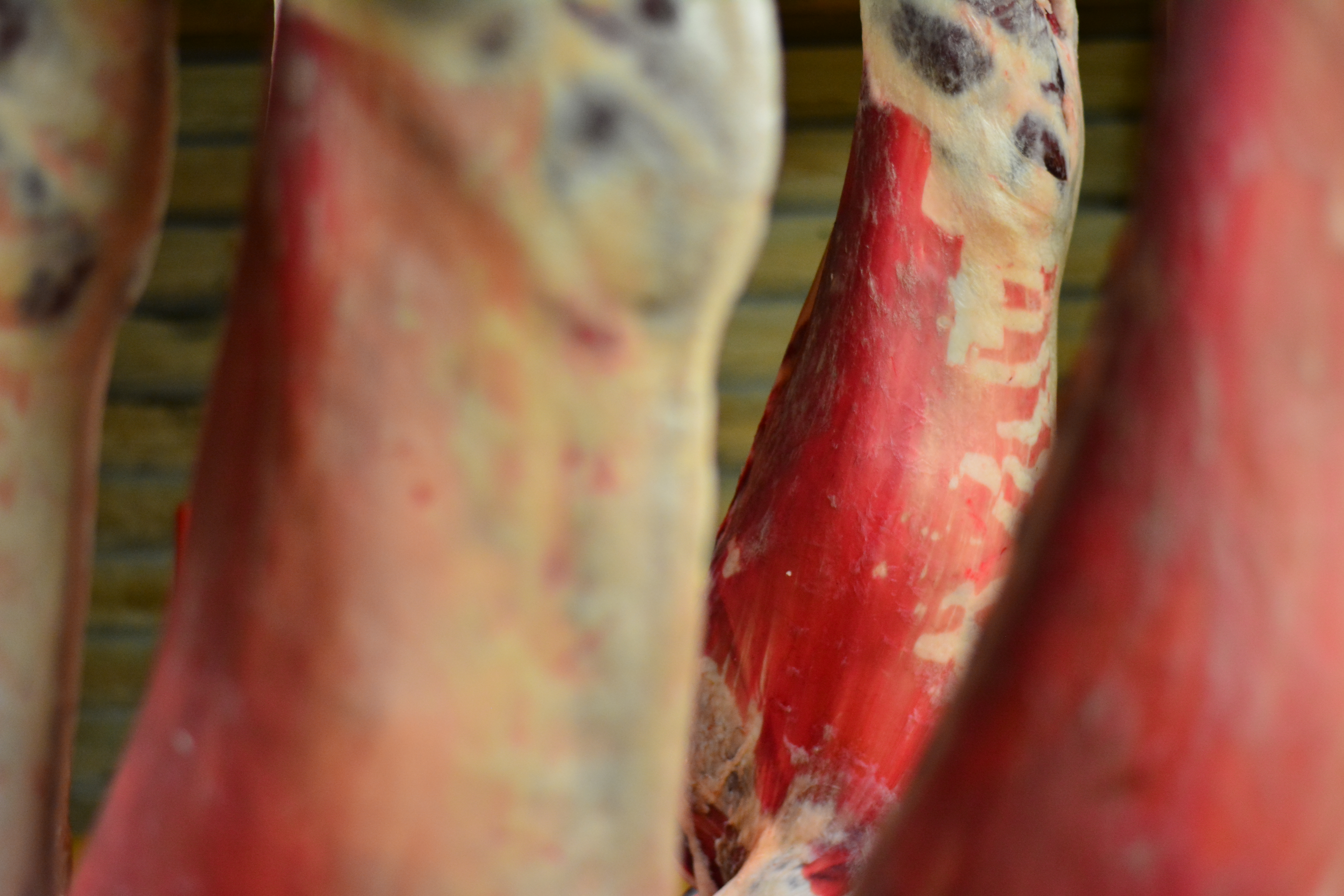
On the Faroe Islands, the craft of building the hjallur — open drying houses for fish, meat and cheese — is still taught at the technical college and actively practiced. This contemporary continuity shifted my research from the past to the present and the future:
preservation is not only historical, but a living knowledge system.
Artistic practice
Working with photography, film, and field research, I explore how these structures preserve more than food alone: stories of rhythm, care, community and the interaction between people and their environment.
Spieker invites a slower way of observing how food, time, community and culture are intertwined, and what longstanding preservation techniques and vernacular architecture can teach us today.
Selection of works
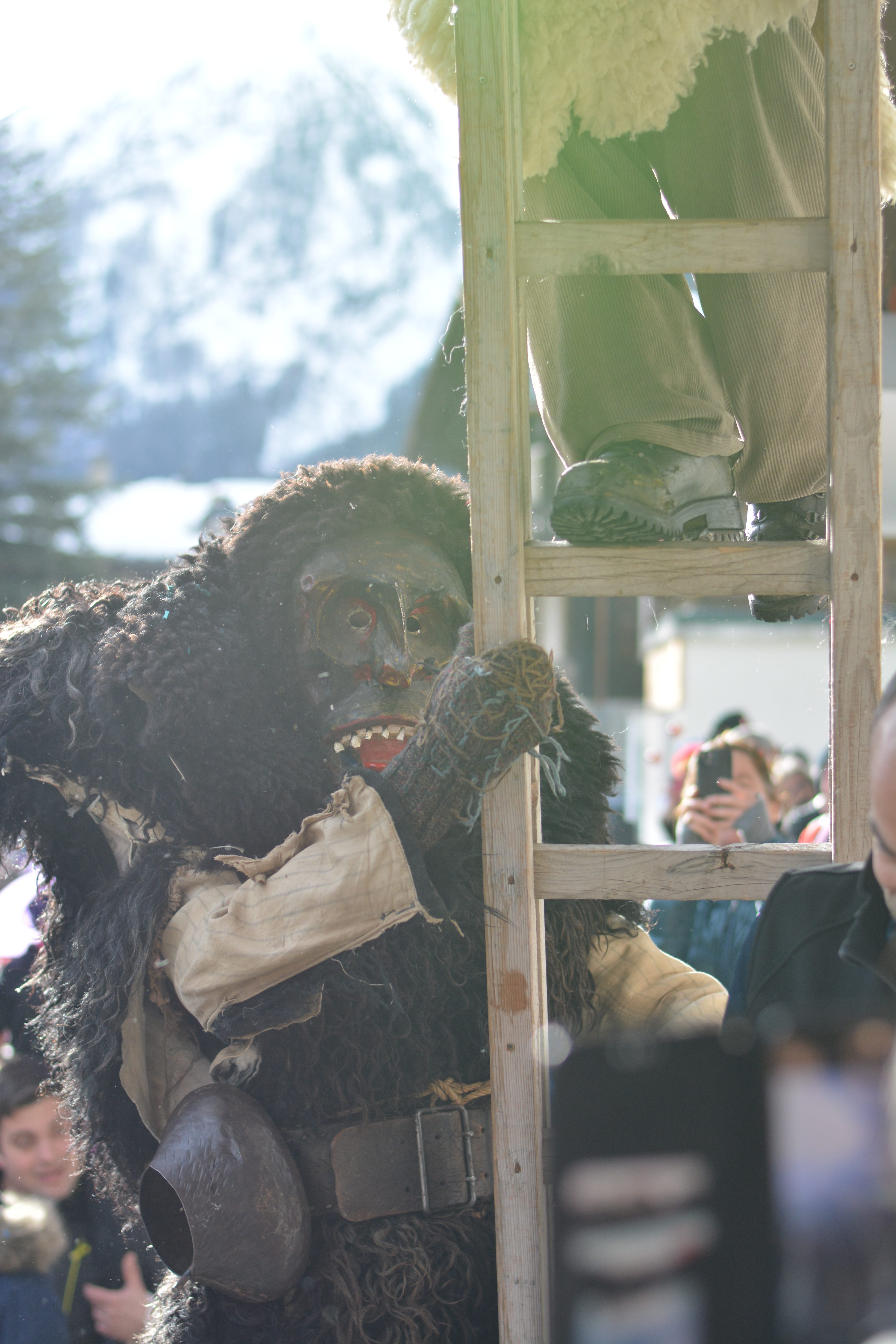
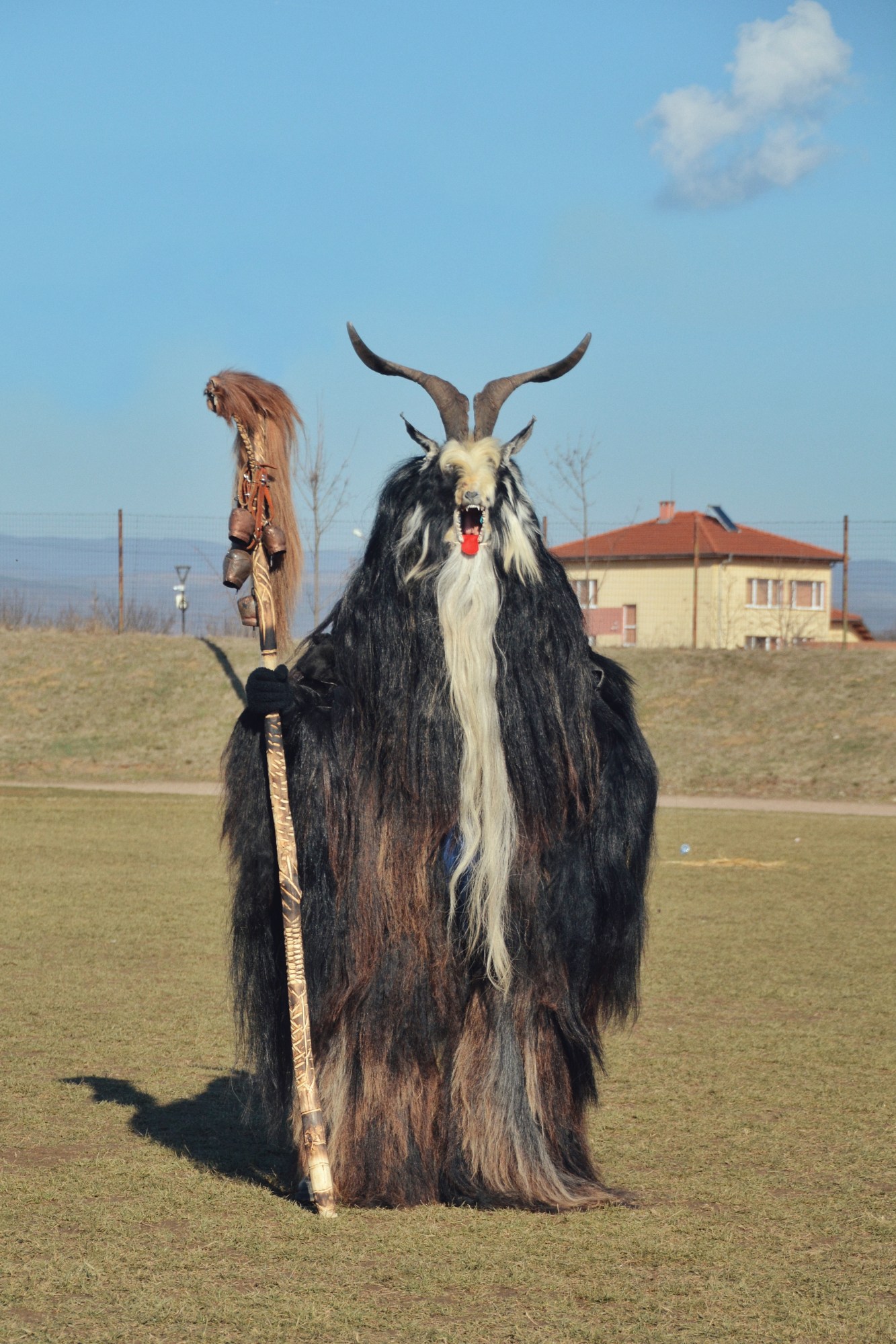
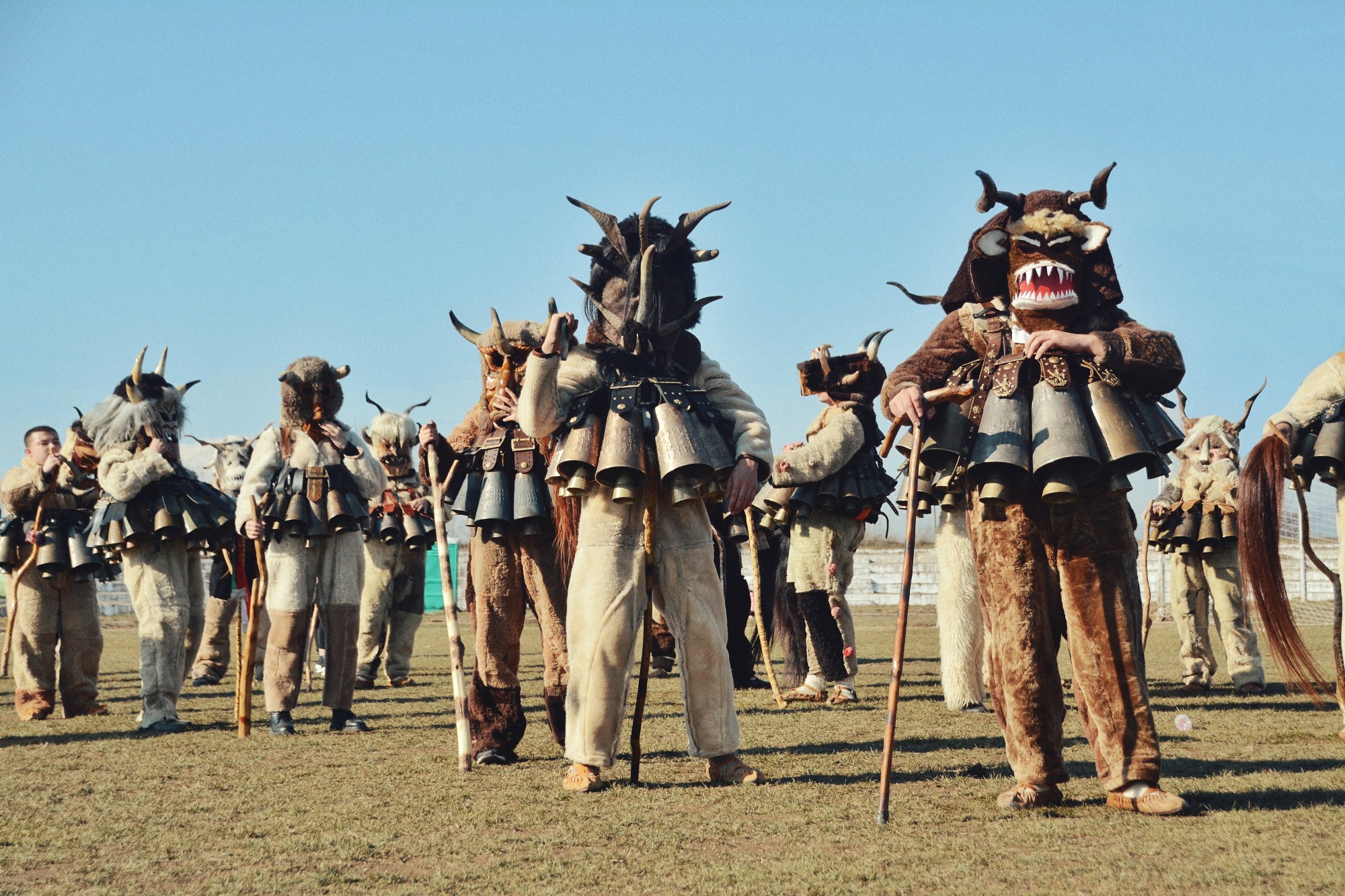
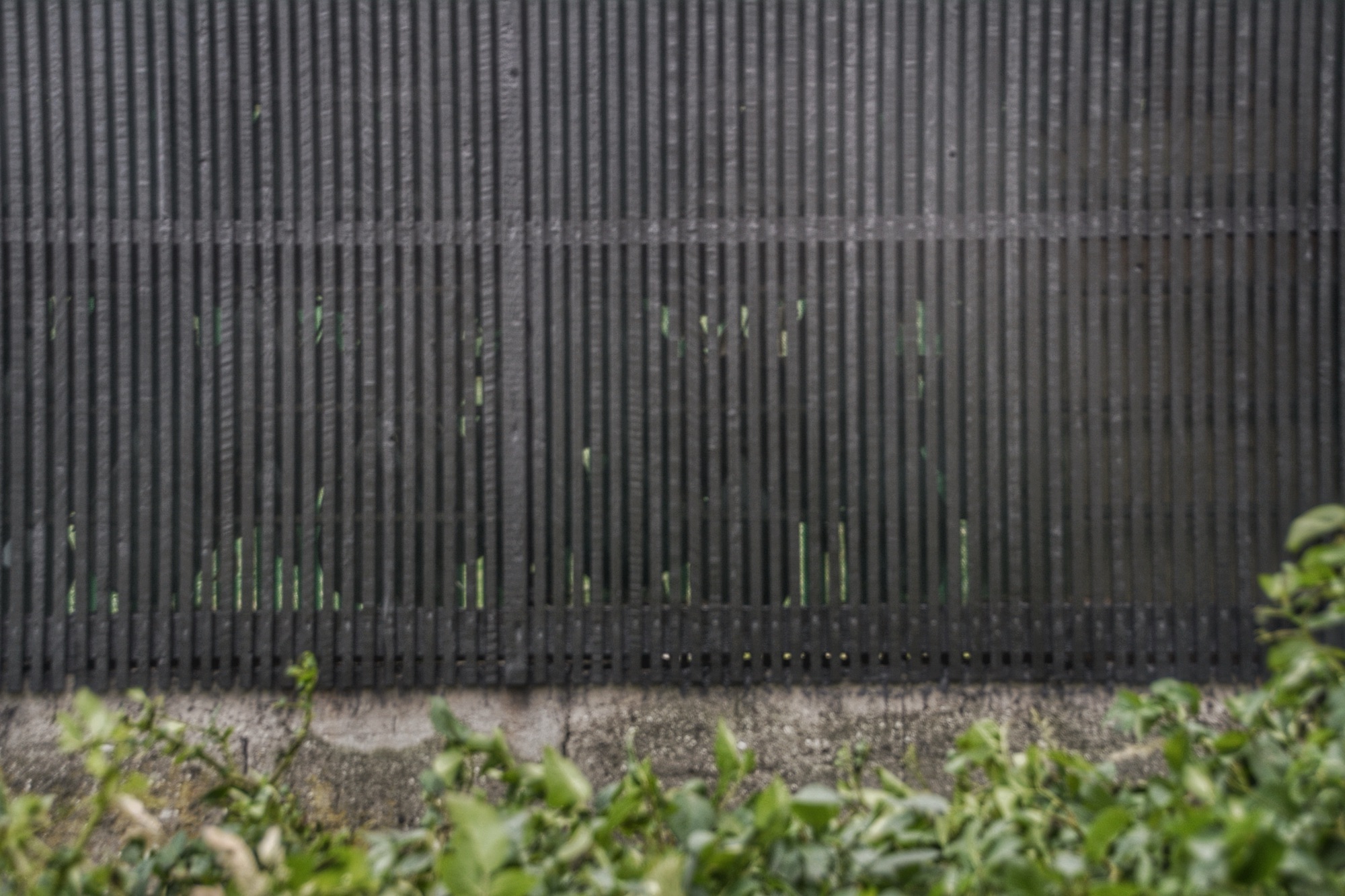
all pictures are taken by me. The images presented on this website represent only a small selection of the material collected during the research.
Openness to collaboration
I am open to exhibitions, publications, and articles that engage with architecture, landscape, food culture, anthropology or contemporary artistic research. For inquiries, please feel free to get in touch.
info@sytskehoogterp.com




 Sytske Hoogterp